
Customs Clearance in India: Complete Step-by-Step Guide for Importers
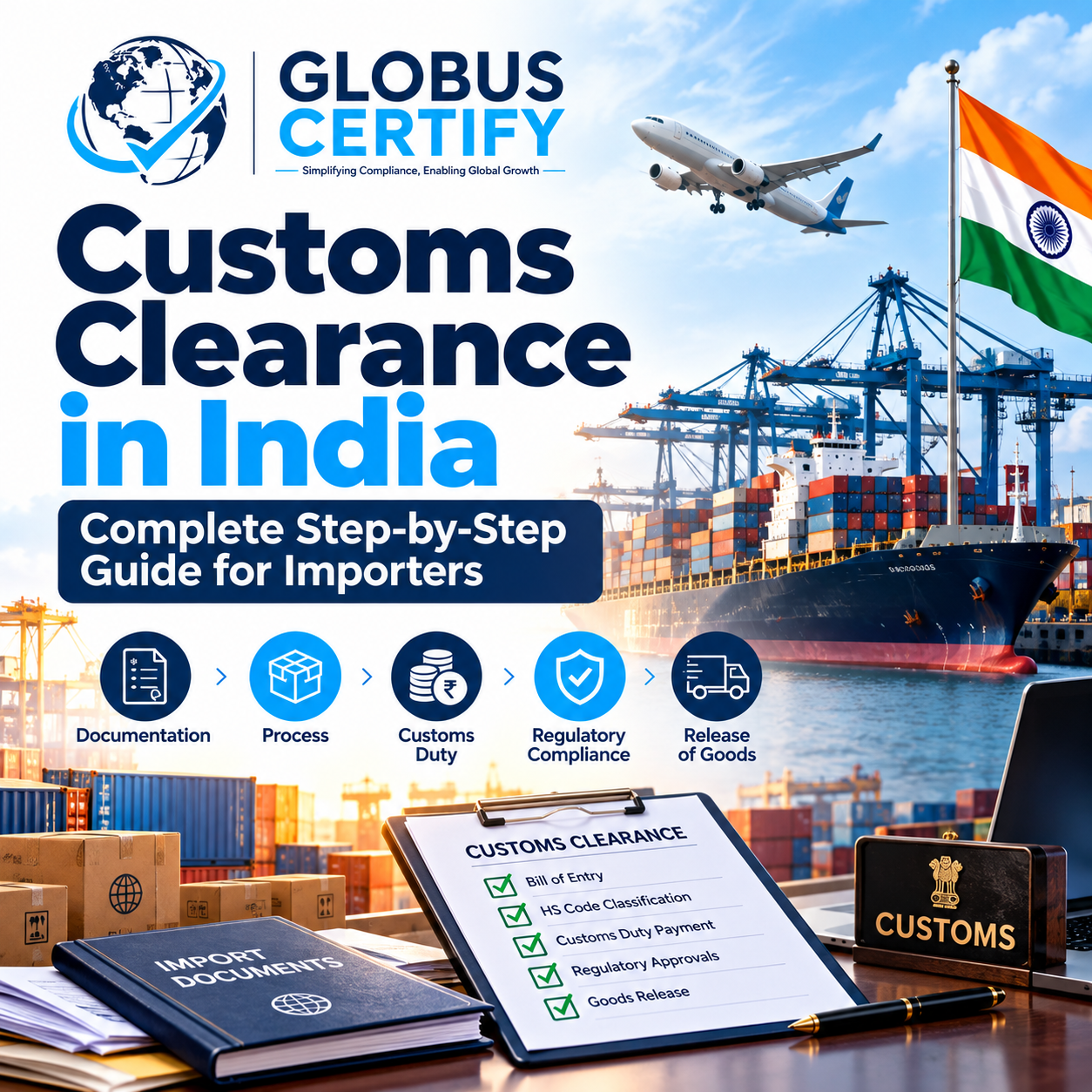
Importing goods into India involves several regulatory and documentation requirements. One of the most important parts of the import process is Customs Clearance in India. Whether you are importing food products, machinery, electronics, raw materials, cosmetics, or other commercial goods, completing customs procedures correctly is essential for releasing your shipment without unnecessary delays.
This guide explains the Customs Clearance in India process, important documents, customs duties, and common issues importers should understand.
What Is Customs Clearance in India?
Customs Clearance in India is the process through which imported goods are declared to Indian Customs and assessed for compliance with applicable laws, duties, taxes, and regulatory requirements.
When a shipment arrives at an Indian port, airport, or another designated customs location, the importer or their authorized customs representative must submit the required information and documents. Customs authorities may examine the shipment, verify the declared details, assess applicable duties, and provide clearance before the goods can be released.
Step-by-Step Customs Clearance Process in India
1. Obtain an Importer Exporter Code (IEC)
Businesses involved in importing commercial goods generally need an Importer Exporter Code (IEC) issued by the Directorate General of Foreign Trade (DGFT). The IEC identifies the importer in international trade transactions.
Before placing an import order, businesses should ensure that their IEC and other business details are accurate and active.
2. Identify the Correct HS Code
The HS Code (Harmonized System Code) is used to classify imported goods. Correct classification is important because the HS code can affect customs duty, applicable restrictions, and regulatory requirements.
Importers should carefully verify the classification of their products rather than relying on assumptions, particularly when products have multiple possible classifications.
3. Prepare Import Documents
Proper documentation is a key part of Customs Clearance in India. Depending on the shipment and product category, commonly required documents may include:
- Commercial Invoice
- Packing List
- Bill of Lading or Airway Bill
- Bill of Entry
- Importer Exporter Code (IEC)
- Certificate of Origin, where applicable
- Product-specific licenses or certificates
- Insurance documents, where applicable
- Regulatory approvals or NOCs, where required
Additional documents may be required depending on the nature of the goods and applicable regulations.
4. Shipment Arrives at the Indian Port
Once the shipment reaches India, the carrier or shipping agent provides the relevant arrival information. The goods remain under customs control until the necessary clearance procedures are completed.
The importer or customs broker can then proceed with the required customs documentation and declarations.
5. File the Bill of Entry
The Bill of Entry is one of the most important documents in the import clearance process. It contains details such as the importer, supplier, description of goods, quantity, value, and classification.
Accurate information is important because errors in the Bill of Entry can lead to queries, reassessment, additional documentation requirements, or delays.
6. Customs Assessment and Examination
After filing the required declaration, Customs may assess the shipment based on the information provided and applicable regulations.
Depending on the shipment, customs authorities may also examine the goods physically or conduct other verification procedures. The purpose is to ensure that the declared information, classification, valuation, and regulatory compliance are appropriate.
7. Pay Customs Duty and Applicable Taxes
The importer must pay the applicable customs duty and other charges or taxes determined during the assessment.
The amount payable depends on factors such as the product classification, customs valuation, country of origin, applicable exemptions, and relevant government regulations.
8. Obtain Regulatory Clearance
Certain products require approvals from other government authorities before they can be released. For example, specific food products may require compliance with FSSAI requirements, while other products may be subject to additional regulatory controls.
Importers should identify these requirements before the shipment reaches India to reduce the possibility of clearance delays.
9. Customs Gives Clearance
After the required documentation, assessment, examination, payments, and regulatory requirements are completed, Customs can issue the necessary clearance, allowing the goods to be released.
The importer can then coordinate with the shipping line, airline, port, terminal, or logistics provider for delivery of the shipment.
Common Reasons for Customs Clearance Delays
Importers may experience delays because of:
- Incorrect HS code classification
- Missing or incorrect documents
- Differences between invoice and shipment details
- Incorrect valuation
- Pending regulatory approvals
- Customs examination
- Incorrect product descriptions
- Unpaid duties or charges
- Import restrictions or licensing requirements
Preparing documents correctly before shipment can help reduce avoidable complications.
How Businesses Can Make Customs Clearance Easier
A smooth Customs Clearance in India process starts before the goods are shipped. Importers should verify the HS code, understand applicable duties, prepare complete documentation, and identify product-specific regulatory requirements in advance.
Working with an experienced customs professional can also help businesses manage documentation, declarations, customs queries, and coordination with relevant authorities.
Conclusion
Customs Clearance in India is an essential part of the import process. From obtaining an IEC and selecting the correct HS code to filing the Bill of Entry, paying applicable duties, completing examinations, and obtaining final clearance, each stage requires accurate information and proper documentation.
Businesses that plan their import requirements in advance and maintain accurate records can reduce the risk of unnecessary delays and compliance issues. For complex or regulated products, professional customs clearance assistance can help importers navigate the process more efficiently and ensure that the required procedures are followed